
Meet the Sargasso Sea Commissioners
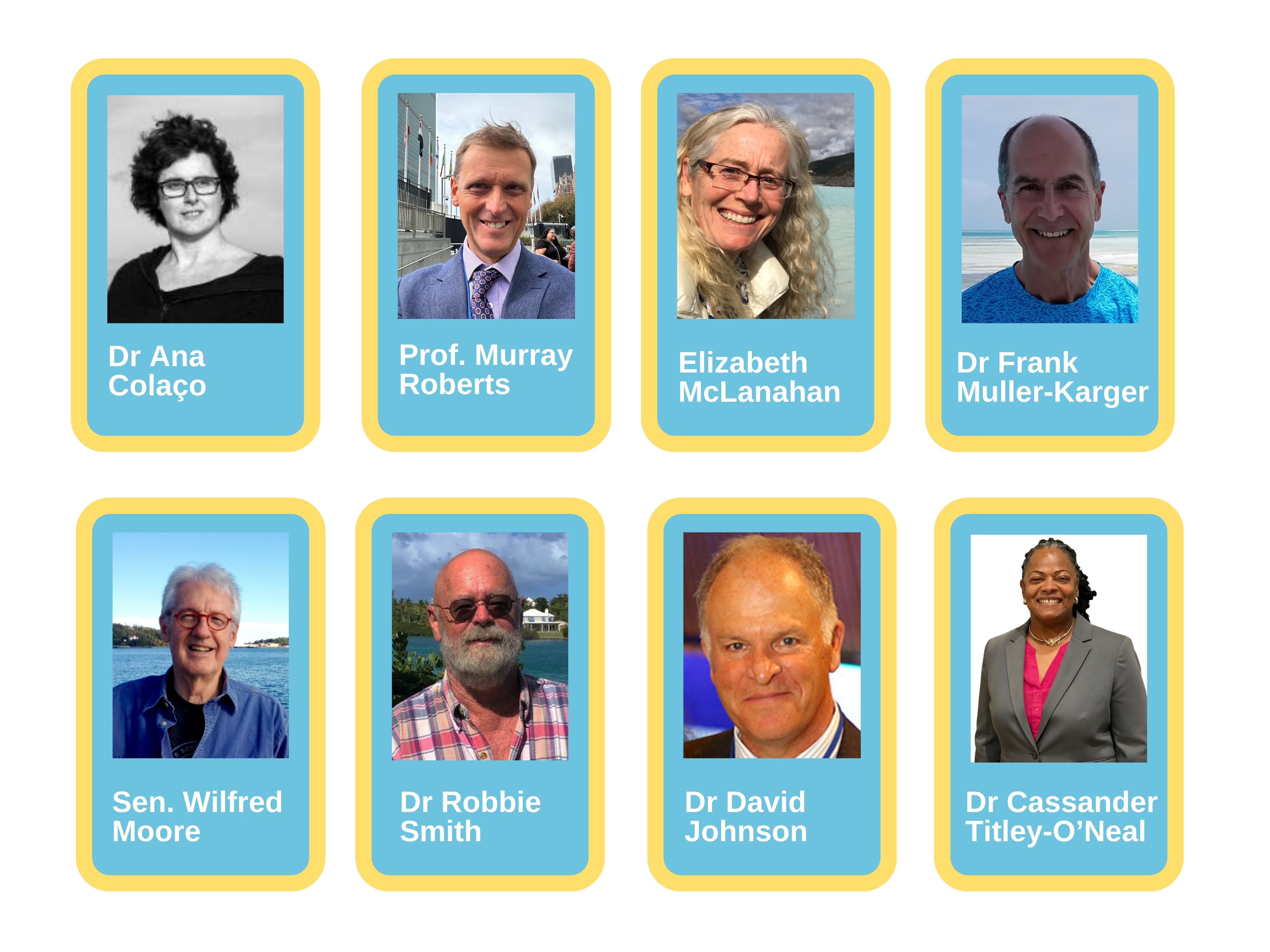
The Sargasso Sea Commission is a unique institution, operating as a stand-alone legal entity established by Bermudian and US law. It is appointed by the Government of Bermuda with the support of the Governmental Signatories to the Hamilton Declaration. Its formal role is to act as the Steward of this iconic high seas ecosystem and to keep its health, productivity, and resilience under review, as well as to develop safeguard measures for its conservation. It is also innovative as Commissioners are appointed primarily according to their scientific expertise and suitability, and serve in their personal capacity rather than being representatives of the Signatory Governments. The Sargasso Sea Commission has no management authority, but it can issue proposals for consideration by the Signatory governments. The Commission meets on a regular basis with the Secretariat, and jointly with the Signatories in order to collaborate.
DR. ROBBIE SMITH
Curator of the Natural History Museum
Bermuda Aquarium, Museum & Zoo, Bermuda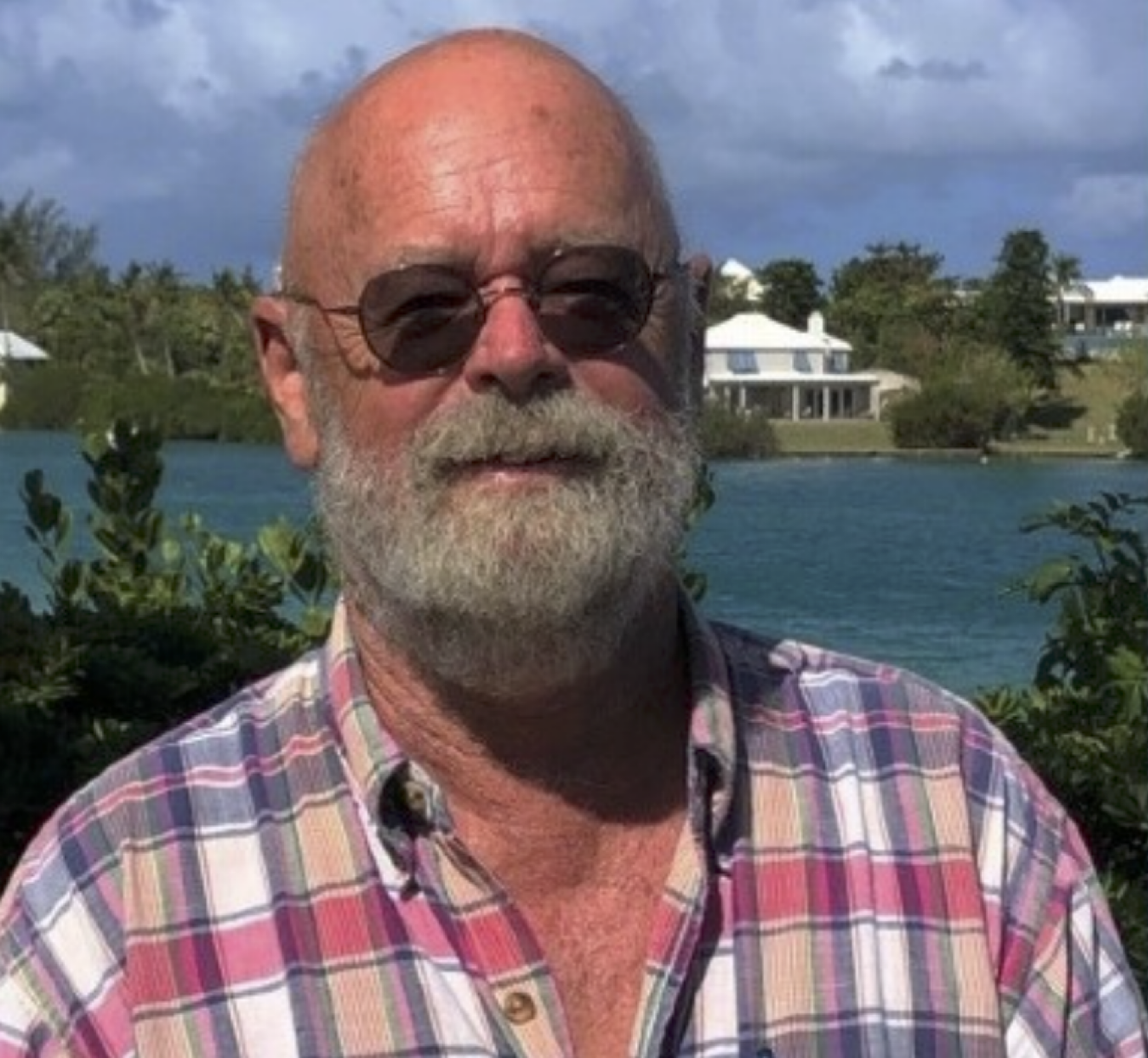 Dr Robbie Smith, Curator of the Bermuda Natural History Museum at BAMZ and adjunct faculty at the Bermuda Institute of Ocean Sciences, will bring a wealth of ecological expertise to the Commission. Dr Smith has been involved in various projects locally and internationally relevant to the Sargasso Sea, including assessing the status of reef fish populations within protected areas in Bermuda, reef recovery in Florida, and deep ocean biological research in Bermuda with the Nekton Mission. Furthermore, Dr Smith is one of the few scientists to have studied the changing community of Sargassum in Bermuda.
DR. ANA COLAÇO
Deep-sea ecologist, University of Azores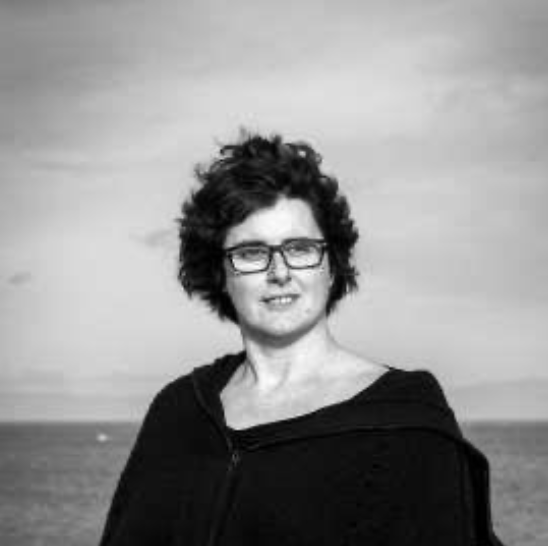 She has acted as chief scientist on numerous oceanographic cruises, and managed many scientific projects related to hydrothermal vent ecosystems, trophic ecology of deep-sea systems, benthic ecology, biodiversity, and conservation. She is also experienced with international cooperation at the European level and overseas. She is involved as deep-sea expert with the International Council for the Exploitation of the Sea (ICES), the International Seabed Authority (ISA), and the Deep Ocean Stewardship Initiative (DOSI), and has contributed to the second UN World Ocean Assessment. She has also contributed to numerous other publications and education and outreach initiatives related to deep sea conservation. She is passionate about the ocean and about her teenage twins, who with their youthful outlook constantly inspire her to see the world in new ways.
DR DAVID JOHNSON
Director of Seascape Consultants Ltd and former Executive Secretary of OSPAR David Johnson is a Director of Seascape Consultants Ltd. He is the former Executive Secretary of OSPAR – the Environmental organization responsible for the Northeast Atlantic. He has a long history of work at the marine science and policy interface, with in-depth experience advising on ocean policy and public affairs. Dr Johnson has been involved in Convention on Biological Diversity processes as well as the negotiations of a new legally binding instrument for biodiversity beyond national jurisdiction (BBNJ).
SEN. WILFRED MOORE
Senator (retired), Government of Canada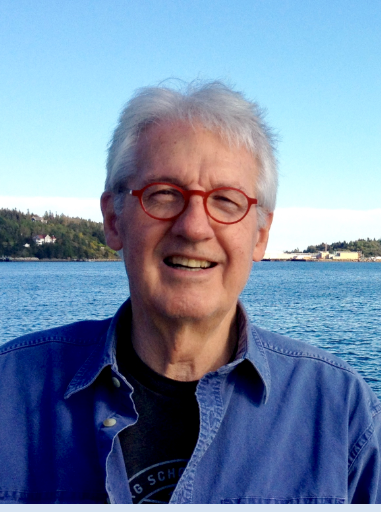 The Honourable Wilfred P. Moore, Q.C., LL.D. recently retired after serving as a member of the Senate of Canada for over 20 years and having a successful decades-long political and legal practice. In these roles, Senator Moore was involved in domestic law, policymaking, networking, and relationship building. In the Senate, he was a member of the Standing Committee on Banking, Trade & Commerce, Standing Committee on Agriculture & Forestry, the Standing Committee on Legal & Constitutional Affairs, and the Standing Committee on National Security & Defense, and encouraged debates on ocean conservation and marine species protection. Senator Moore was a strong advocate of the Sargasso Sea Alliance, and was instrumental in encouraging Canada to become the eighth Signatory to the Hamilton Declaration in December 2016. He was recognized by the Canadian Federation of Humane Societies with the 2017 Animal Welfare Leadership and Innovation Award for Humane Legislation Award for sponsoring Bill S-203 to end the captivity of whales and dolphins (while allowing for the rescue and rehabilitation of injured animals); that Bill became law on June 21, 2019. He served as Chair of the Art Advisory Working Group in the Senate of Canada, and is currently the volunteer Chair of the Lunenburg School of the Arts.
ELIZABETH MCLANAHAN
Former Director of the National Oceanic and Atmospheric Administration (NOAA), Office of International Affairs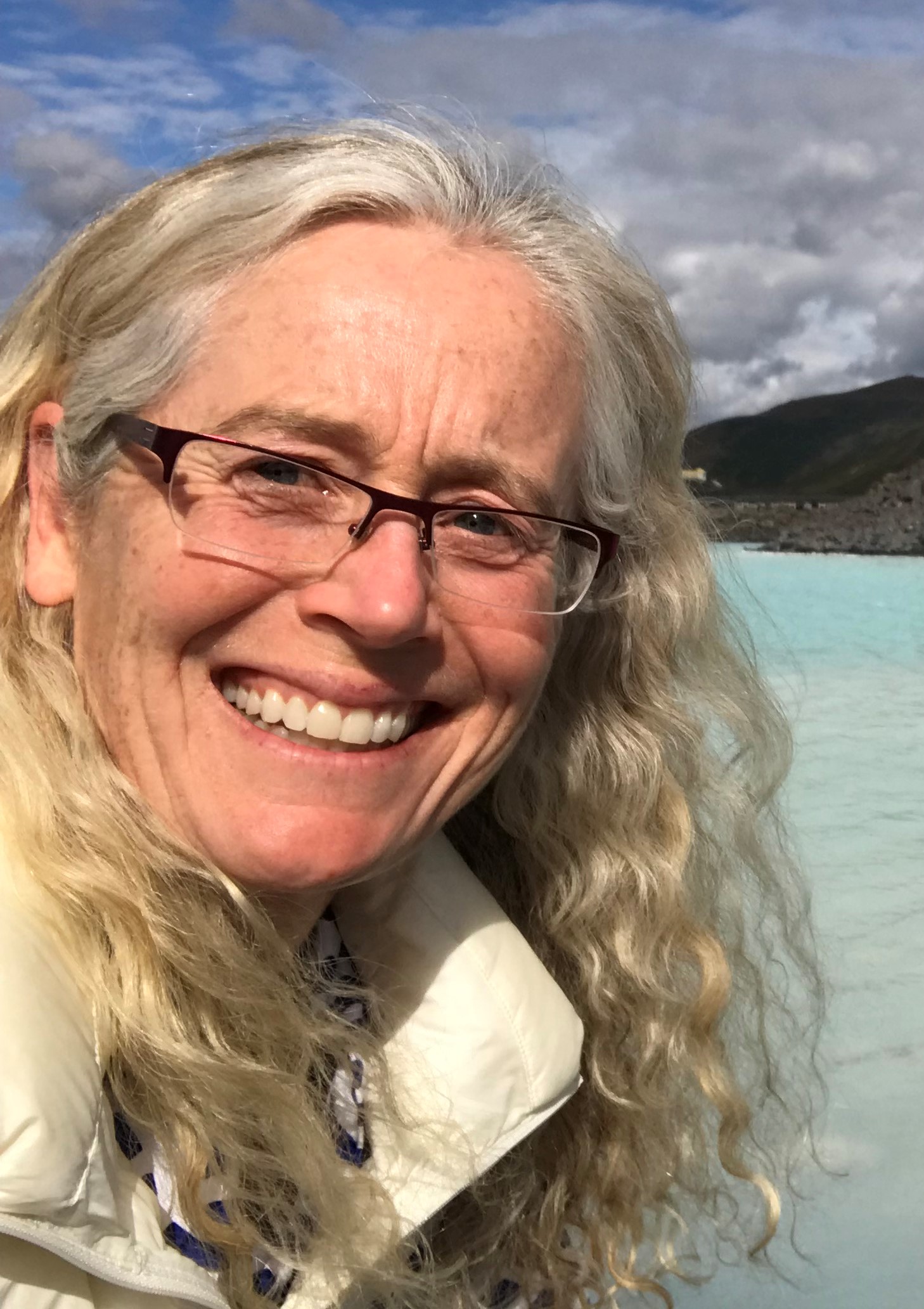 Elizabeth represented the United States in marine and coastal discussions under the Convention on Biological Diversity and in negotiations of the Biodiversity Beyond National Jurisdiction agreement (BBNJ agreement) and the UN plastics treaty. She served as the U.S. Head of Delegation and Vice-Chair of the Arctic Council Protection of the Arctic Marine Environment (PAME) Working Group where she facilitated cross-national collaboration on marine litter, Arctic shipping, marine protected areas, and ecosystem-based management. She has a Master of Environmental Management (Resource Economics & Policy) and a Master of Forestry from Duke University, Nicholas School of the Environment, and a B.A. in Biology from Dartmouth College.
DR CASSANDER TITLEY O'NEAL
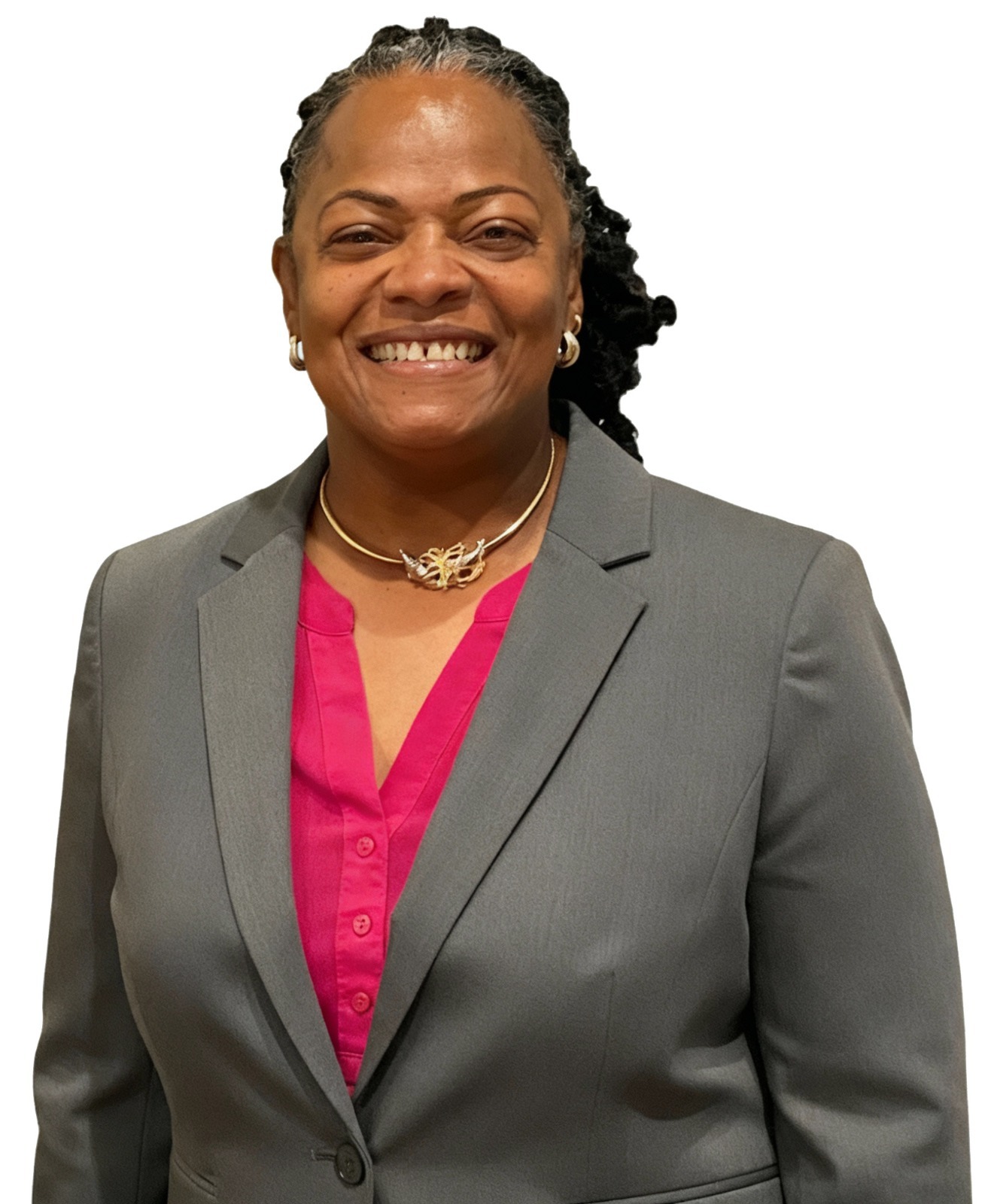 Director of the National Parks Trust of the Virgin Islands (NPTVI).
Dr Titley O'Neal oversees the operations of the National Parks Trust and manages 21 national parks. Her role includes balancing the mandate for the conservation, protection and sustainable management of these valuable natural resources in the British Virgin Islands (BVI) with the economic needs of tourism. In addition to her role at the NPTVI, Dr Titley-O'Neal has over 16 years' experience as an environmental consultant. Her research specialty is in ecotoxicology where she investigates the nature, effects, and interactions of substances that are harmful to the environment and the organisms living in it, specifically endocrine disruption in female marine gastropods (snails). Dr Titley-O'Neal's research has been published in various peer-review journals such as the Journal of Environmental Monitoring, Science of the Total Environment, Bulletin of Marine Science and Water Quality Research Journal of Canada.
In 2019, Dr Titley-O'Neal was part of the team that completed a national physical development plan (NPDP) for the British Virgin Islands dubbed Envision 2040, which has now been ratified by The Planning Authority of the Virgin Islands. Regionally, Dr.Titley-O'Neal served as the K2 - Marine Specialist for the Caribbean Regional Oceanscape Project (CROP), where she was the lead for the development of five marine spatial plans for St. Kitts and Nevis, Dominica, St. Lucia, St. Vincent and the Grenadines and Grenada, as well as the regional marine spatial planning framework.
Dr Titley-O'Neal holds a Ph.D. in marine biology from the University of New Brunswick in Canada, a M.Sc. in applied marine science from the University of Plymouth in the United Kingdom, and a B.Sc. in marine biology with a minor in chemistry from the University of North Carolina at Wilmington in the United States.
PROFESSOR MURRAY ROBERTS
Professor of Applied Marine Biology & Ecology in the School of Geosciences at the University of Edinburgh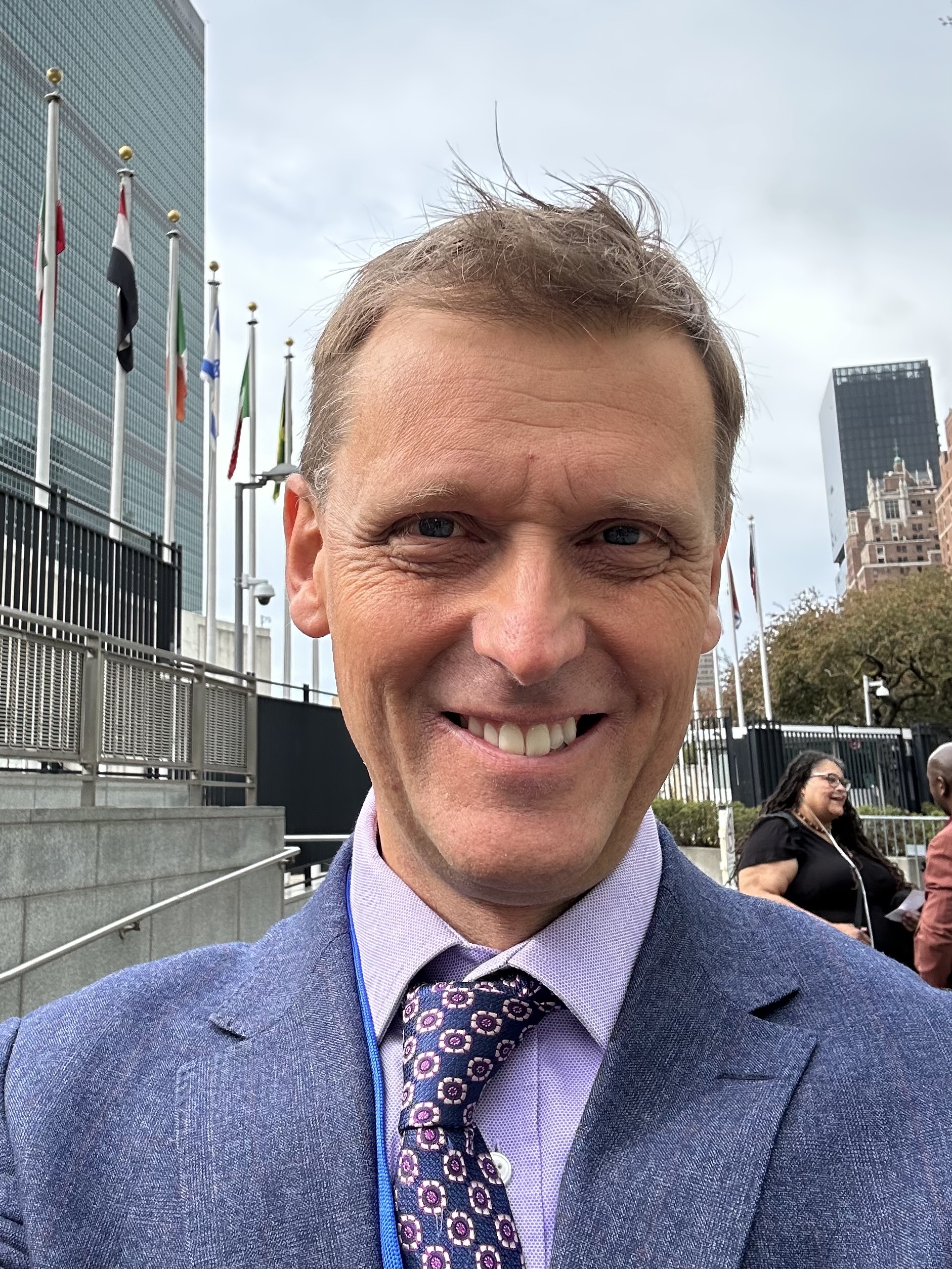 Dr Murray Roberts is a specialist in cold water corals. He runs two international research programmes, ATLAS, and iAtlantic, which collect data on the Sargasso Sea. He has participated participated in offshore research expeditions off Norway, Scotland, Ireland, Western Africa and the Southeast USA. He is also the author of the most cited paper on cold-water coral biology and geology in 2006 (Science 312: 543-547) and the only textbook on cold-water corals (Cambridge University Press, 2009). He also has experience working at the science/policy interface at an international level, acting as a consultant for the Convention on Biological Diversity to produce an updated synthesis on the impacts of ocean acidification and to draft the 'Voluntary specific workplan on biodiversity in cold-water areas within the jurisdictional scope of the Convention'.
DR FRANK MULLER-KARGER
Professor in the College of Marine Science at the University of South Florida
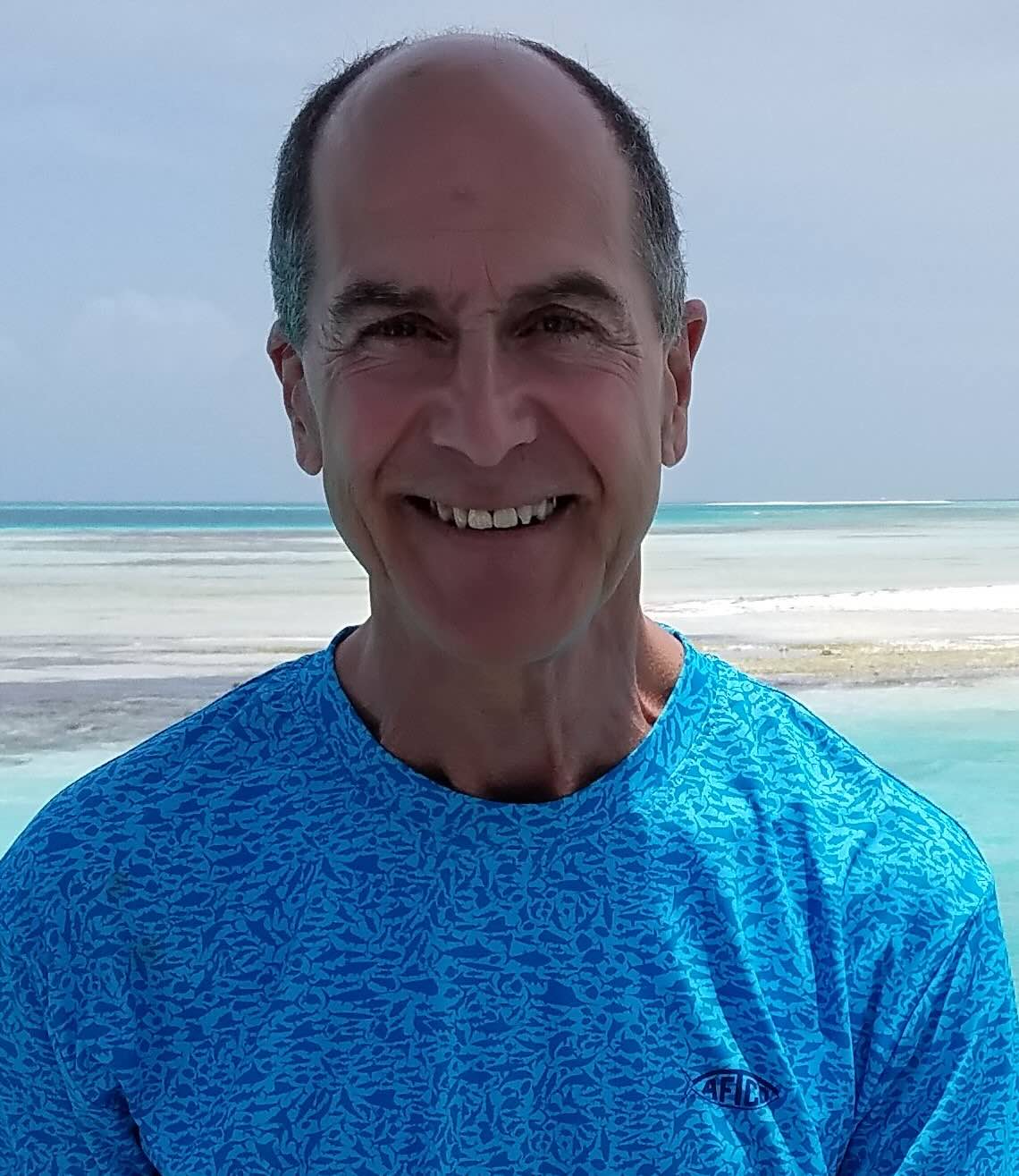 Dr Frank Muller-Karger is a Professor in the College of Marine Science at the University of South Florida with a PhD in Marine and Estuarine Sciences. He has studied connectivity between the surface ocean, coastal areas and ocean margins, and the deep ocean, with particular focus on the relationship between surface ocean processes and the ocean bottom of the Sargasso Sea. He has also been involved in the implementation of Marine Biodiversity Observation Network (MBON) and in the leadership of the Marine Life 2030 Program endorsed by the UN Decade of Ocean Science for Sustainable Development.
Emeritus Commissioners
DR. BILLY D. CAUSEY
Senior Policy Advisor (retired)
NOAA's Office of National Marine Sanctuaries
National Marine Protected Areas Center
National Oceanic and Atmospheric Administration, US.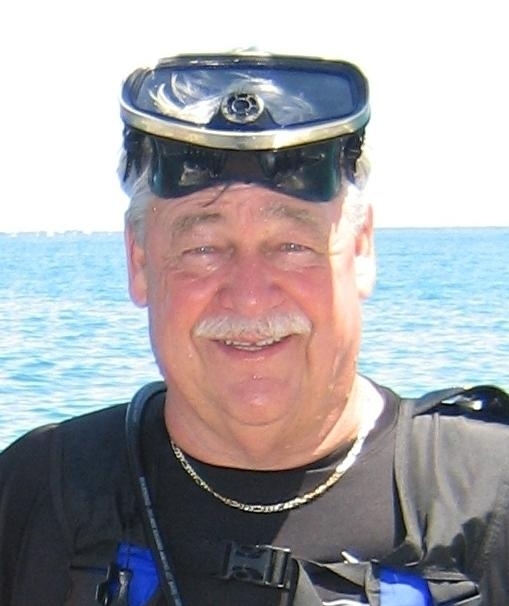 Dr. Billy Causey served as the Southeast Regional Director for the National Oceanic and Atmospheric Administration’s (NOAA) Office of National Marine Sanctuaries from 2006-2019. He has managed Sanctuaries in the Florida Keys since 1983, when he became the Manager of the Looe Key Sanctuary. He served as the Superintendent of the 2900 snm Florida Keys National Marine Sanctuary from August 1991 to September 2, 2006. Dr. Causey was the lead NOAA official in the development of the management plan for the Keys Sanctuary. He was responsible for establishing the first comprehensive marine zoning plan for the United States. Dr. Causey’s academic interests are in coral reef ecology, coral reef fishes, sustainable management, regional connectivity, ecosystem-based management, marine zoning, climate change and marine policy. He has observed and recorded the impacts of climate change on the coral reef ecosystem since 1978. Dr. Causey was among the first coral reef managers to link coral bleaching with elevated sea surface temperatures and to correlate the secondary impacts of coral diseases to the stressors created by the conditions caused by increased water temperatures and other sources of environmental degradation. He has worked on the South Florida Ecosystem Restoration Project since 1993 and has been active with numerous initiatives to establish MPA networks around the region.