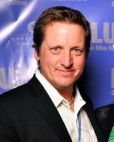
 Arlo Hemphill
Freelance Biologist and Science Communicator
Arlo Hemphill is a freelance biologist, science communicator and ocean conservationist. Working with private industry and public sector organizations alike, he shares a passion for wild places through writing, film and new media outreach. Most often working at the interface of communications, public policy and the natural world, Arlo seeks to inspire a deeper understanding of humanity’s connectivity to wilderness – both in the ocean as well as our planet's terrestrial wild lands.
With a background in marine science, conservation program management and outreach, his recent work includes science editing, writing and management of online travel and conservation content, field-based monitoring and assessment, and campaign-based work with an emphasis on the conservation of the High Seas. He has led programs and ocean outreach efforts for organizations such as Conservation
International and the Center for Ocean Solutions at Stanford University. Arlo is a member of the World Commission on Protected Area's (WCPA's) High Seas Task Force and a co-founder and former steering committee member of such multi-partner international collaborations as the Deep Sea Conservation Coalition, the Forum for the Conservation of the Patagonian Sea and Areas of Influence, and the Sargasso Sea Alliance.
In addition to his work on international campaigns, Arlo has spent numerous years working within tropical wilderness areas of South America and the Caribbean as an explorer and field practitioner, serving alternately as a scientific diver, forest mapper, sea turtle technician and web correspondent for scientific expeditions on tropical river systems. He has managed cross-cutting conservation initiatives in the Andes and co-established a research station and private mangrove reserve on the coast of mainland Ecuador. A Fellow National of the Explorers Club, he has been listed in Nature (Myers et al. 2000) as one of 100+ global biodiversity experts, credited for his expertise pertaining to the Greater Caribbean and the Tumbes- Chocó-Magdalena biodiversity hotspots.